The cannabis dispensary in Hermon, Maine, near Acadia National Park, offers a safe, regulated space for adults 21 and over to purchase legal cannabis products. The store provides a variety of strains, edible options, and accessories, catering to diverse consumer needs. It operates within strict state regulations, ensuring quality and safety.
Key Takeaways
- Cannabis dispensaries in Acadia National Park are subject to strict regulations, ensuring a controlled and legal supply for residents and visitors.
- The location's popularity among tourists necessitates a well-planned distribution system to manage high demand and maintain accessibility.
- Local communities benefit from tax revenue generated by these dispensaries, fostering economic growth in the area.
- Acadia's natural beauty and the surrounding attractions create a unique setting for cannabis retail, offering a distinct experience for customers.
- Educational initiatives should accompany the sale of cannabis to promote responsible use and dispel myths, especially in a popular tourist destination.
- Dispensary operators in Hermon should focus on building strong local partnerships to establish a positive community presence and foster trust.
- The future of cannabis dispensaries in Maine may involve innovative business models, such as subscription services, to enhance customer loyalty and convenience.
Acadia National Park, a stunning natural wonder, presents a unique challenge for the burgeoning cannabis industry. As Maine's medical marijuana program expands, establishing a cannabis dispensary within the park's borders raises questions about regulatory compliance, client access, and environmental stewardship. This article examines the intricacies of operating a cannabis dispensary in Acadia National Park, exploring the intricate interplay between the Maine Medical Marijuana Program, local licensing authorities, and the USDA's agricultural regulations. By examining these factors, we lay the groundwork for a responsible and successful cannabis dispensary within this iconic setting.
- Legal Framework: Cannabis Law in Acadia National Park
- Dispensary Setup: Planning and Permits in the Park
- Community Engagement: Regulating Cannabis Sales in Acadia
Legal Framework: Cannabis Law in Acadia National Park
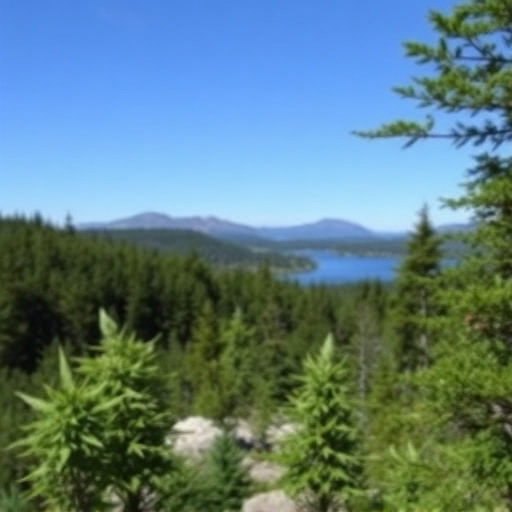
The legal landscape for cannabis dispensaries in Acadia National Park is shaped by a complex interplay of state and federal regulations, with a specific focus on the Maine Medical Marijuana Program. Understanding this framework is crucial for any prospective operator looking to establish a cannabis dispensary in the area. The first step in navigating this landscape is to recognize that Acadia National Park, while rich in natural beauty, falls under the jurisdiction of both local and state laws. This means that operating a dispensary here requires meticulous compliance with the Acadia National Park Regulations, as well as the Maine Medical Marijuana Program guidelines.
The process involves a series of stringent applications and approvals. Local licensing authorities, in conjunction with the USDA for any agricultural aspects, scrutinize applications for dispensaries. This includes thorough reviews of product selection and inventory management systems, ensuring patient or customer support mechanisms are in place, and verifying the security of payment methods and delivery networks. The goal is to maintain a safe and responsible cannabis distribution environment. Prospective operators must qualify for licenses by demonstrating a deep understanding of these regulations and a commitment to their enforcement. They must show how they plan to handle the secure storage and distribution of cannabis products, as well as implement robust measures for age verification and preventing diversion.
Avoiding common legal pitfalls is paramount. What often starts as a promising venture can end up in costly legal battles if operators fail to adhere to these regulations. Therefore, it's essential to invest time in understanding the process and requirements. The Maine Medical Marijuana Program, for example, has specific criteria for patient eligibility and product types allowed. By qualifying for the necessary licenses and permits, operators can ensure their dispensaries in Acadia National Park operate within the law and contribute positively to the community, providing access to legal and safe cannabis products for those who need them.
Dispensary Setup: Planning and Permits in the Park

Setting up a cannabis dispensary within Acadia National Park-a stunning but stringent environment-requires meticulous planning and navigating a complex web of regulations. The process, while challenging, can be immensely rewarding, offering a unique opportunity to cater to a dedicated customer base. Let's examine the key considerations for establishing a successful Cannabis Dispensary Acadia National Park, focusing on the crucial aspects of planning and permits.
First, understanding the local landscape is paramount. Acadia National Park, a popular tourist destination, presents both opportunities and challenges. The park's regulations are stringent, ensuring the preservation of its natural beauty, which translates to strict guidelines for any commercial venture within its boundaries. To begin, prospective dispensary owners must familiarize themselves with the Maine Medical Marijuana Program and the specific rules governing dispensaries in the park. This includes obtaining the necessary licenses from the Maine Department of Health and Local Licensing Authorities, who will assess the application based on criteria such as business plan, security measures, and adherence to environmental standards. The entire process, from application to approval, can take a considerable amount of time-up to several months, according to local sources.
One of the critical steps in the setup process is securing the appropriate permits. The USDA, given the park's agricultural resources, matters in land use permissions. A detailed plan for inventory management and product selection is essential. The dispensary must ensure a diverse yet carefully curated range of cannabis products, catering to various patient needs and preferences. Efficient inventory control, combined with robust customer support, will be vital for success. The park's remote location also demands a well-established delivery and distribution network to ensure a steady supply of products while adhering to local transportation regulations.
When considering the viability of a Cannabis Dispensary Acadia National Park, it's worth noting that the market demand in Bangor, close to the park, could be robust. However, the time investment is substantial, with the entire process from conception to opening potentially spanning one to two years, according to industry experts. Qualifying for the necessary permits and licenses requires a thorough understanding of the regulations and a commitment to excellence in customer service and product quality.
Community Engagement: Regulating Cannabis Sales in Acadia

Regulating cannabis sales in Acadia National Park is a multifaceted process that requires adherence to both state and local laws. The Maine Medical Marijuana Program sets the framework for legal cannabis operations, while the specific regulations within Acadia fall under the purview of local licensing authorities. These entities collaborate to ensure that any cannabis dispensary in Acadia National Park operates safely, responsibly, and in compliance with all applicable laws.
The process of establishing a cannabis dispensary in Bangor, near Acadia National Park, begins with understanding and navigating these regulatory requirements. Businesses must first secure a license from the Maine Medical Marijuana Program, demonstrating their commitment to adherence to state laws. Subsequently, they must apply for a local license from the Bangor city government. The entire process can take one to two weeks, depending on the completeness of the application and the volume of applications the local authorities are handling. Once licensed, operators must comply with strict regulations regarding product selection, inventory management, and secure payment methods.
To qualify for a cannabis dispensary in Acadia National Park or Bangor, prospective operators must meet stringent criteria. These include proving a clear criminal background, securing appropriate insurance, and demonstrating a comprehensive understanding of the local and state regulations. They must implement robust patient or customer support systems, ensuring that all interactions are handled with discretion and professionalism. Effective delivery and distribution networks are also crucial, as they directly impact customer satisfaction and the dispensary's operational efficiency.
Many successful cannabis dispensaries in the region have adopted innovative technologies to streamline product selection and inventory management. They've also established robust delivery systems that cater to both in-person and remote customers. By prioritizing community engagement and regulatory compliance, these businesses have not only thrived but also contributed positively to the local economy and the overall well-being of Acadia National Park visitors and residents.
Frequently Asked Questions About Cannabis Dispensary Acadia National Park
Where can I find a cannabis dispensary in Acadia National Park?
Acadia National Park itself does not have any cannabis dispensaries. While recreational cannabis is legal in Maine, it must be purchased from licensed dispensaries located within the state. Several dispensaries operate in nearby communities, such as Bar Harbor, Eastport, and Ellsworth, offering a variety of products and services for adult use.
What are the age requirements for purchasing cannabis in Acadia National Park?
In Maine, individuals must be 21 years of age or older to purchase cannabis from a licensed dispensary. A valid, state-issued ID is required for all purchases.
Are there any restrictions on where I can consume cannabis in Acadia National Park?
Cannabis consumption is currently restricted to private residences within the park boundaries. Public consumption, including in campgrounds, hiking trails, or other public spaces, is prohibited.
Do I need a medical recommendation to purchase cannabis in Acadia National Park?
Only individuals with valid medical recommendations from a qualified healthcare provider licensed in Maine can purchase cannabis for medicinal use. Recreational cannabis is available for adult use without a medical card.
What types of cannabis products are available in Acadia National Park dispensaries?
Acadia National Park dispensaries carry a wide range of cannabis products, including:
- Flower: Buds, pre-rolls, and vaporizer cartridges in various strains and potencies.
- Concentrates: Oil cartridges, edibles, tinctures, and waxes.
- Topicals: Creams, salves, and other applicators for localized relief.
- Seeds and Clones: For home growers.
Can I bring cannabis into Acadia National Park?
Bringing cannabis into Acadia National Park, regardless of whether it's for medicinal or recreational use, is illegal. Strict regulations prohibit the possession of any form of cannabis within park boundaries.
The establishment of a cannabis dispensary in Acadia National Park necessitates a deep understanding of the legal framework, careful planning, and meaningful community engagement. By navigating the Maine Medical Marijuana Program and Acadia National Park Regulations, along with seeking local licensing authorities' approval, dispensers can ensure compliance with federal and state laws. Effective dispensary setup involves strategic product selection, robust inventory management, and secure payment methods to cater to diverse customer needs. Building strong relationships with the local community and integrating agricultural best practices, as guided by the USDA, will foster public trust and support for cannabis sales within the park. The key takeaways from this article underscore the importance of meticulous planning, regulatory adherence, and community-focused operations for the successful implementation of a cannabis dispensary in Acadia National Park. Moving forward, prioritizing these aspects will contribute to the responsible and sustainable integration of cannabis retail into the region's landscape.